Exploring the Psychology of Space and Design
Understanding how our environment influences our emotions and behaviors is crucial for anyone looking to refresh their interior spaces. This article explores the psychological principles behind design choices and how simple upgrades can enhance well-being without the need for extensive renovations.
The Connection Between Space and Psychology
Research indicates that our surroundings can significantly affect our mood and productivity. According to a study published in the Journal of Environmental Psychology, environments that are well-designed and aesthetically pleasing can lead to enhanced feelings of happiness and satisfaction. This connection stems from several key psychological principles.
Color Psychology
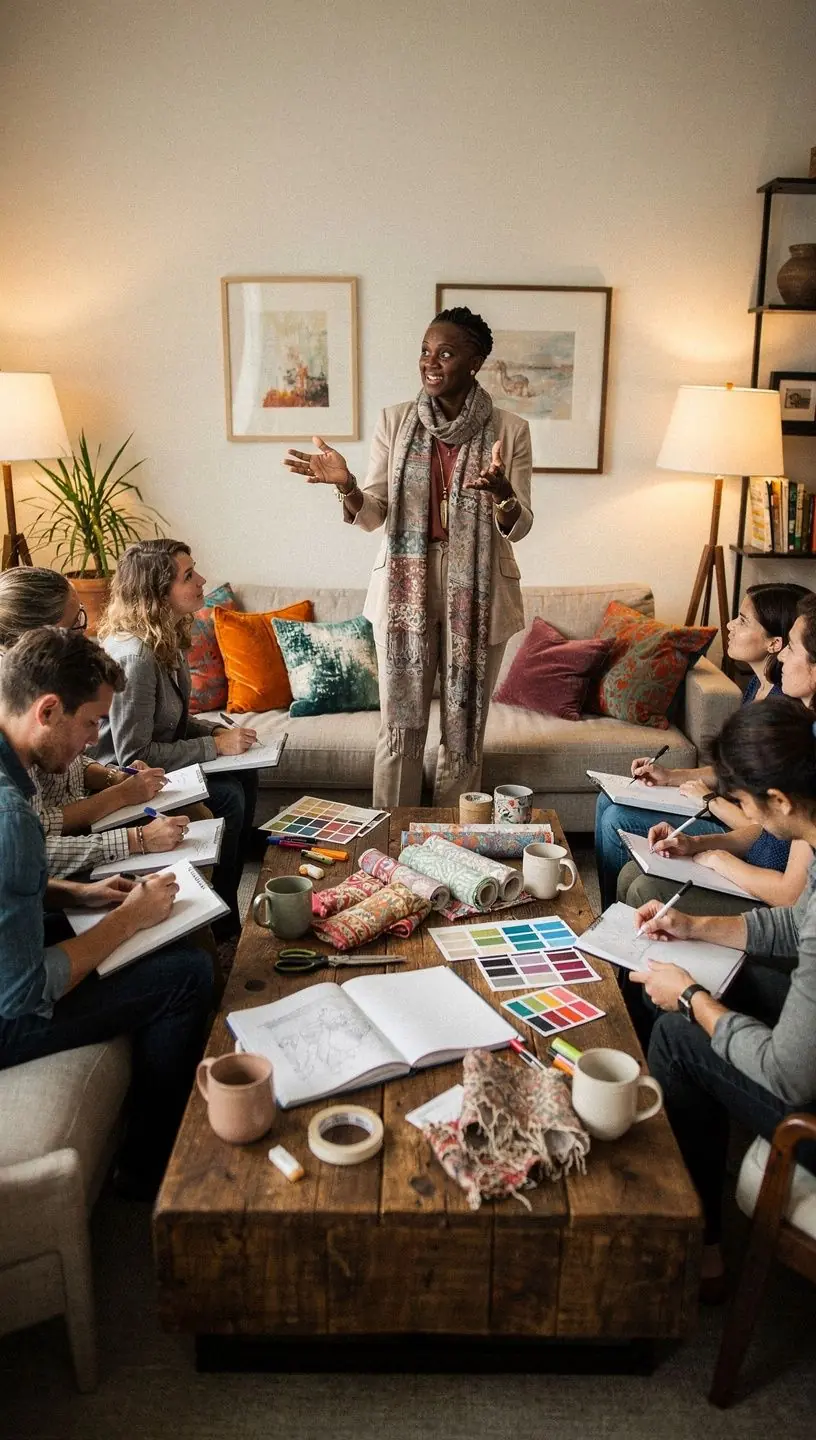
Colors have a profound impact on our emotions. For instance, warmer colors such as red and yellow are often associated with energy and warmth, while cooler colors like blue and green are linked to calmness and relaxation. Many users report feeling more productive in spaces that utilize blue tones, making it a popular choice for home offices.
Creating Functional Spaces
In most cases, the layout of a room can greatly influence how we interact with it. Experts recommend the following strategies for optimizing space:
- Define Zones: Clearly delineating areas for work, relaxation, and socializing can improve functionality. For example, using area rugs to separate different functions in a large room can create a sense of order.
- Declutter Regularly: Clutter can lead to feelings of overwhelm and anxiety. A minimalistic approach—keeping only essential items—can create a more peaceful environment.
- Incorporate Nature: Studies show that incorporating natural elements, such as plants or natural light, can improve mood and cognitive function, making them a valuable addition to any space.
"Surrounding ourselves with nature can significantly reduce stress levels and improve our overall well-being."
Simple Upgrades Without Major Renovations
Transforming your space doesn't always require construction. Here are some simple upgrades that can enhance your environment:
- Artwork and Decor: Adding personal artwork or decor items can reflect your personality and make the space feel more inviting.
- Lighting Adjustments: Changing light fixtures or adding lamps can alter the mood of a space. Experts suggest using dimmable lights to easily adjust the ambiance based on activities.
- Textiles and Fabrics: Updating curtains, cushions, and throws can add warmth and comfort. Choose fabrics that contribute to a cozy atmosphere.
Setting Realistic Expectations
While these upgrades can greatly improve your space, it’s essential to have realistic expectations regarding the time and effort involved. Many of these changes can be implemented in a single weekend, while others, such as incorporating plants or rearranging furniture, may take a bit longer to achieve the desired effect.
Ultimately, the goal is to create a space that feels good to you. This process typically involves trial and error, as personal preferences play a significant role in what works best for each individual.
Conclusion
Exploring the psychology of space and design reveals how simple changes can positively affect our emotional and mental well-being. By understanding the principles behind design choices, you can create an environment that enhances your lifestyle and promotes a sense of peace. Remember, these upgrades are not only about aesthetics; they can also have a profound impact on how you feel in your space. Embrace the process, and don’t hesitate to experiment with different elements until you find what resonates with you.
Learn More