
Practical Tips for Arranging Furniture Effectively
Arranging furniture can transform a space, making it feel more functional and inviting. In this article, we’ll explore practical tips that can help you achieve an effective furniture layout without the need for construction or major renovations.
Understanding the Basics of Furniture Arrangement
According to experts in interior design, a well-thought-out furniture arrangement can enhance the flow and functionality of any room. The key principles involve understanding space utilization, traffic flow, and focal points. These elements work together to create a harmonious and inviting environment.
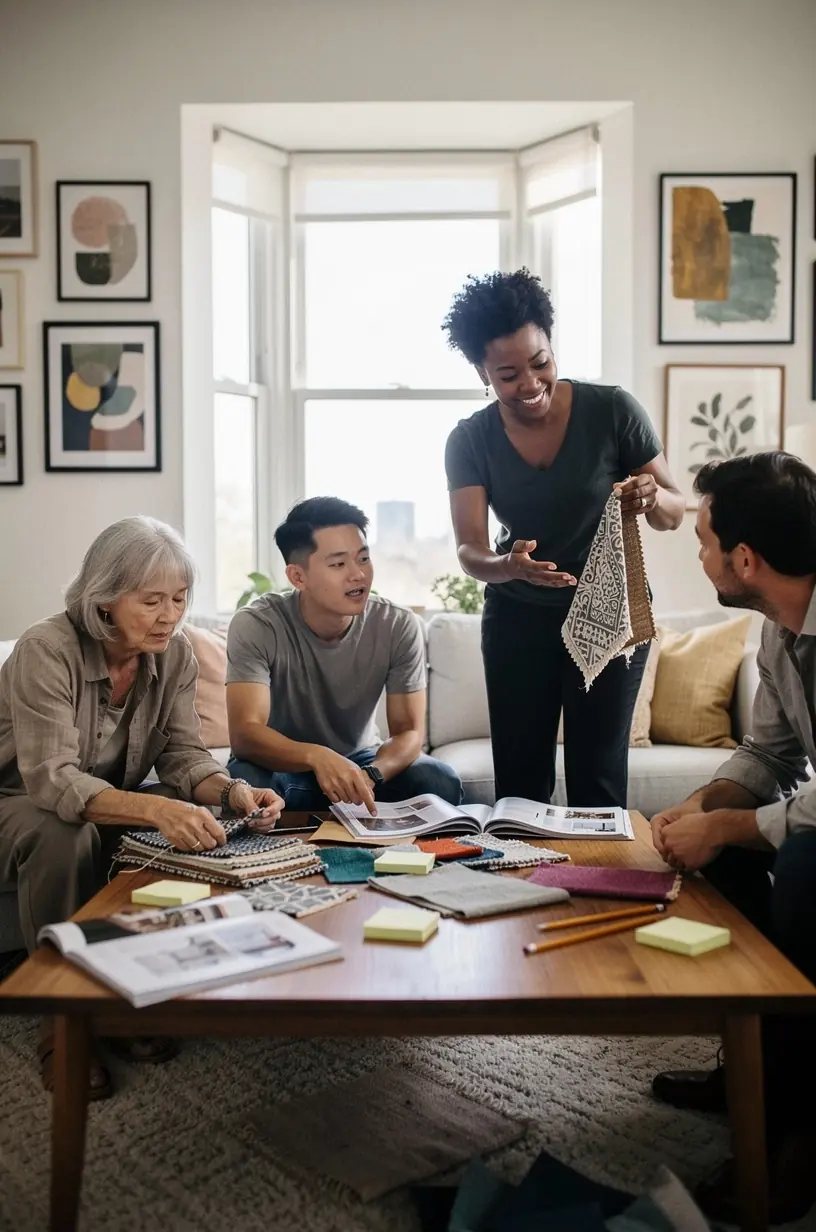
"A well-arranged space can significantly improve both the aesthetics and functionality of a room." - Interior Design Expert
Assessing Your Space
Before diving into furniture placement, it’s important to assess the space you are working with. Here are some steps to consider:
- Measure the Area: Knowing the dimensions of your room is crucial. Experts often recommend making a scale drawing to visualize the layout.
- Identify Focal Points: Determine what you want to highlight in the room. This could be a fireplace, a beautiful view, or a piece of art. Arranging your furniture to face these points can create visual interest.
- Consider Traffic Flow: Ensure that paths between furniture allow for easy movement. Studies show that a clear path can reduce clutter and improve overall room usability.
Practical Tips for Effective Furniture Arrangement
1. Create Zones
Establishing distinct areas for different activities can help maximize your space's functionality. For instance, in a living room, you might designate areas for conversation, reading, or entertainment. According to research, creating zones not only improves organization but also enhances the overall experience of the room.
2. Use Scale and Proportion
Choosing furniture that fits the scale of your space is essential. Overly large pieces can overwhelm a small room, while tiny furniture in a large area may feel insignificant. Interior design experts suggest selecting furniture that is proportionate to the dimensions of the room to create balance and harmony.
3. Experiment with Angles
Aligning furniture at angles can often create a more dynamic and inviting space. Instead of placing all pieces parallel to the walls, try angling some of them to encourage conversation and engagement. This approach has been shown to make a room feel more open and welcoming.
Acknowledging Limitations
While these tips can enhance your space, effective furniture arrangement typically requires a bit of trial and error. Expect to spend time rearranging and testing different layouts before finding what works best for you. Additionally, keep in mind that these strategies may work better in some room types than others, such as open concepts compared to traditional layouts.
Conclusion
Arranging furniture effectively is both an art and a science. By understanding the basics, assessing your space, and applying practical tips, you can create a layout that maximizes functionality and aesthetics without major renovations. Remember, the goal is to create an environment that feels comfortable and reflects your personal style. With patience and experimentation, you can achieve a refreshing interior that suits your needs.
Learn More